Foodease app
We built the Foodease companion app (foodease.ai), connecting the product to its users with a clean mobile experience. The app pairs with the device and puts the whole workflow in one place.
Apps built by the same team that wrote the firmware, so the BLE protocol never gets lost in translation. Flutter on mobile, React on the web, and the cloud plumbing behind both. Your device and its app finally speak the same language.
When one team owns the firmware and the app together, the protocol never has to survive a handoff. There is no spec thrown over a wall, no guessing at byte layouts, and no finger-pointing when the connection drops. We wrote the device side, so we know exactly what the app should send and expect back.
The app is where users actually meet the product. It handles pairing and provisioning, shows live dashboards, streams telemetry to the cloud, and pushes OTA updates when new firmware is ready. One flow, from first pairing to a fleet you can watch in real time.
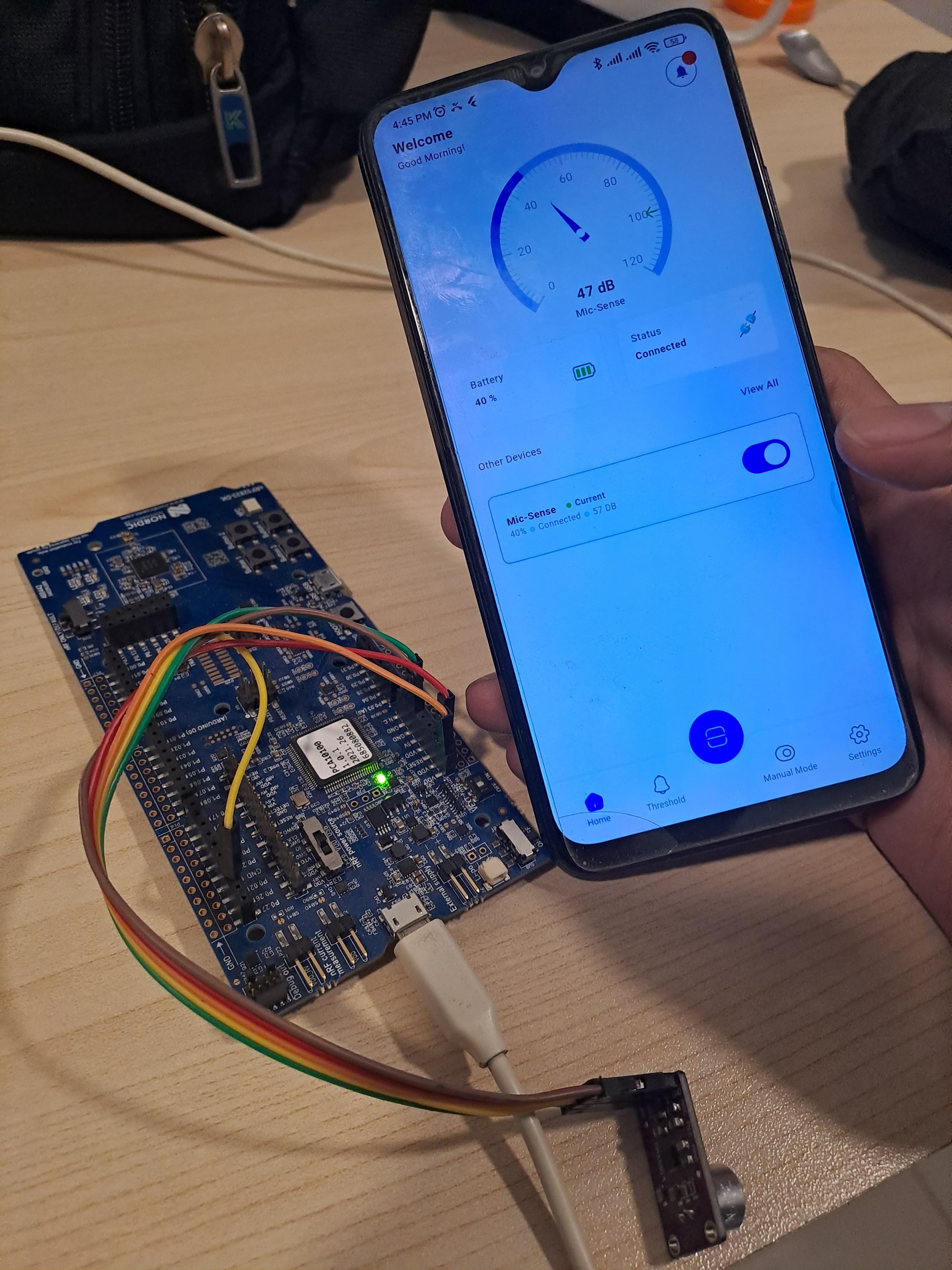
We built the Foodease companion app (foodease.ai), connecting the product to its users with a clean mobile experience. The app pairs with the device and puts the whole workflow in one place.
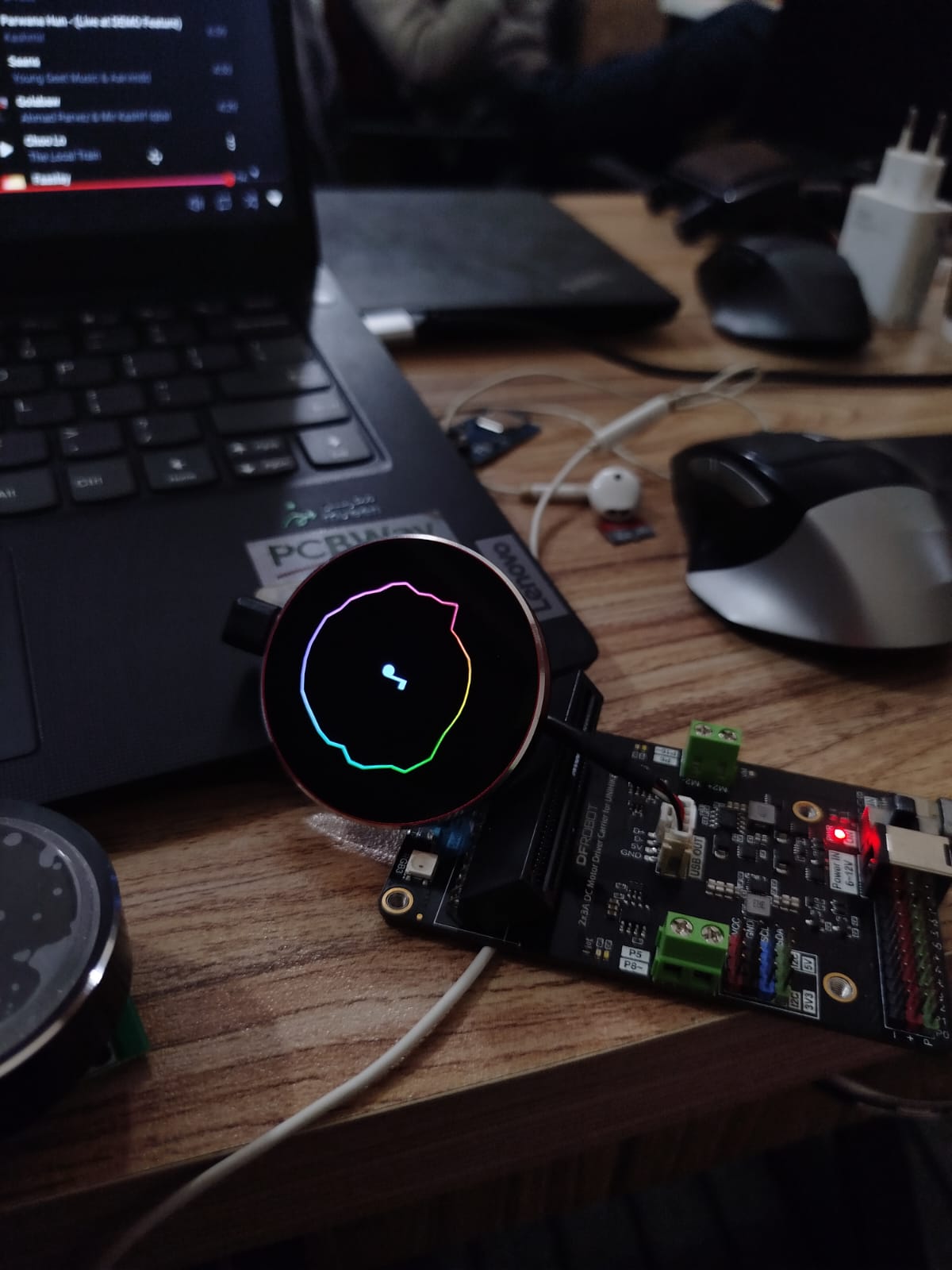
We built the HeatGo analytics app (heatgo.com), turning device data into usable insight. The app reads from the hardware and surfaces the numbers that actually matter.
We built a web operations dashboard for Fyrebox (fyrebox.africa), giving the team live visibility into a deployed fleet. One screen shows device status, telemetry, and health across the field.
An app is only as good as the device it talks to. The app speaks to embedded firmware we can also build, so both sides of the protocol come from one team. And it ships alongside hardware we can take to batch production, so the app and the units it controls arrive together.
Yes. We build standalone mobile and web apps too. But our sweet spot is apps that talk to a device, where owning both sides removes the usual BLE and protocol headaches.
Flutter by default, because one codebase covers iOS and Android and BLE support is solid. When a project genuinely needs native (deep platform APIs or performance), we do that instead.
Yes. We handle updates, OS and SDK bumps, store submissions, and new features. A connected-hardware app is a living product, and we can stay on it for the long run.