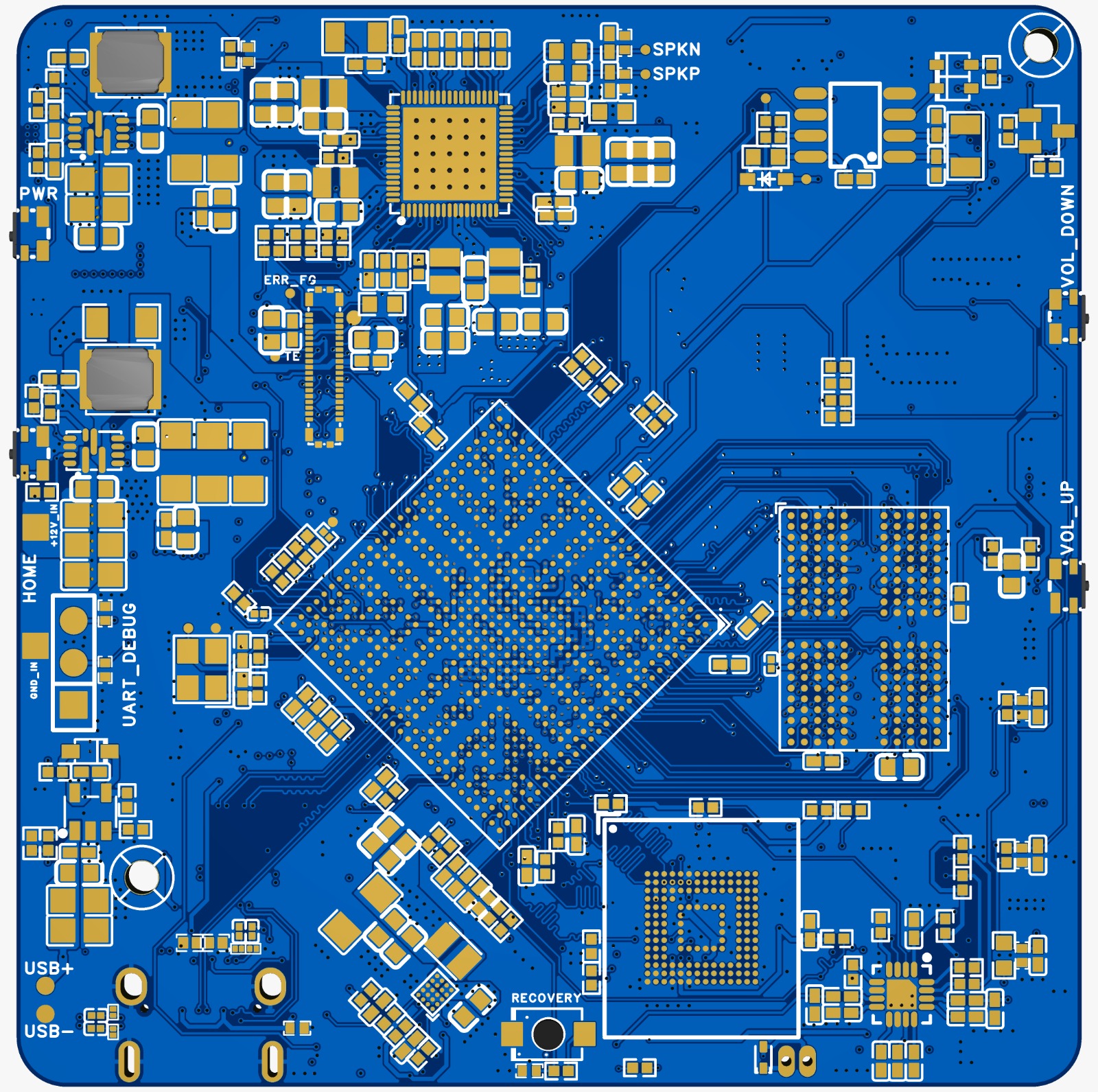
ADS-B receiver
An ADS-B receiver built around an STM32H7 with a custom RF front-end. We took it from schematic through layout, had it manufactured, and firmware-tested it on our bench.
Schematic capture through fab-ready outputs. We work in Altium (our own license) and KiCad, and we lay out boards that pass DFM on the first spin. From simple sensor boards to high-speed carrier boards, the output is a clean manufacturing package.
PCB design is the whole path from schematic to Gerber. We capture the schematic, place and route the board, run DFM, and deliver a package a fab can build without a stack of questions. The goal is a design that passes DFM on the first pass, so the first prototypes come back working. Want a head start? Browse the PCB catalogue for boards we have already built.
The easy boards route themselves. The hard part is everything else: high-speed signals that need length and delay matching, RF sections that live or die on the ground plane, and power integrity that keeps rails clean under load. That work is what separates a board that works from one that mostly works.
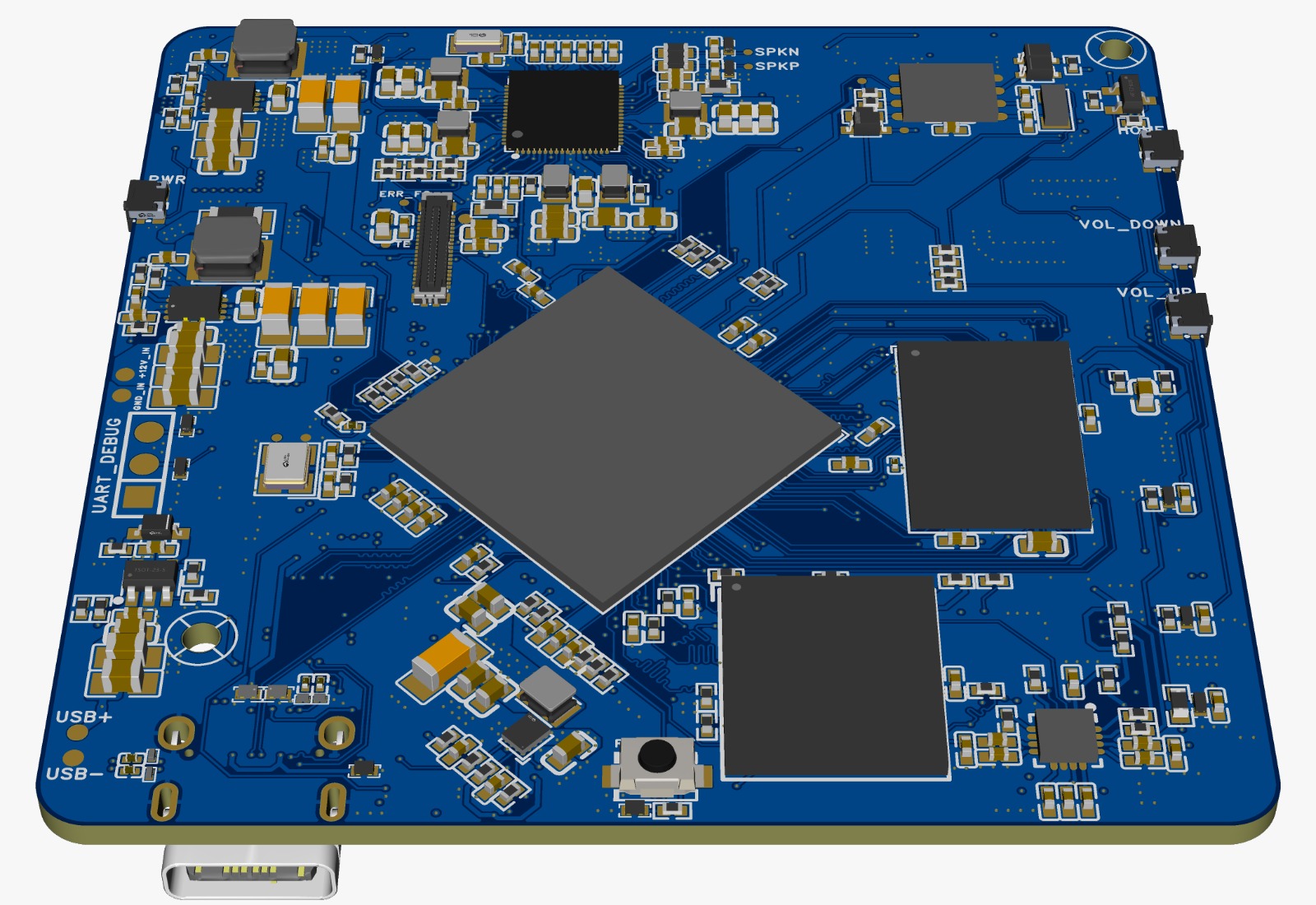
An ADS-B receiver built around an STM32H7 with a custom RF front-end. We took it from schematic through layout, had it manufactured, and firmware-tested it on our bench.
Production ESP32 boards laid out for manufacturability from the start. They passed CE and ETL certification and shipped, with the layout holding up through compliance testing.
A wireless power board from our portfolio, with the coil, power stage, and thermal handled in layout. Getting the copper and heat right kept the board efficient and cool under load.
A board is only useful with firmware on it, so PCB design runs right alongside embedded firmware, and the two get validated together on the same bench. A good layout is also designed for the assembly line it will run on, so we lay boards out for batch production from the first placement. One team, from schematic to shipped units.
Both. We own an Altium license and use it for complex, high-speed, and high-layer-count boards, and we use KiCad when it fits the project or your team already lives there. We can hand off editable source in whichever tool you standardize on.
Yes. We route DDR3 and DDR4 with length and delay matching, and lay out PCIe, MIPI, USB, and Gigabit Ethernet on SoC carrier boards with controlled impedance and proper reference planes.
Yes. We generate the full manufacturing package (Gerbers, BOM, assembly drawings, pick-and-place) and coordinate with your fab and assembly house, or ours, through to first articles.